A Practical Guide to Choosing Linen Sheets for Coastal Homes
A nuanced exploration of fabric, finish, and feel for beachside interiors. From 100% linen to linen blends, we weigh texture, temperature regulation, and maintenance against the backdrop of sunlit rooms, salt air, and the quiet luxury of coastal living.
Introduction: Linen as a Climate Partner in Coastal Living
Coastal homes exist in a dialogue with weather and wind. The linen sheet, with its natural breathability and moisture-wicking properties, has long been a partner to this conversation. Linen’s irregular weave and the flax’s hollow fibers invite air to circulate, keeping the sleeping surface cool in summer and offering a subtle warmth when the evenings turn brisk. In a coastal climate—where humidity dances with sunshine—linen sheets become more than bedding; they’re a lightweight shield against the day’s heat and the night’s salt-stung chill.
This guide translates textile nuance into practical choices for a coastal bedroom. We will compare 100% linen to linen blends, explain weave weight and its impact on drape and temperature, and spotlight brands that have become touchpoints for seaside interiors—Libeco and Downtown Company among them—without drifting into overt retail language. The goal is clarity: to help you curate a bed that feels as calm as a morning by the shore.
Material Choices: 100% Linen vs Linen Blends
100% linen sheets are the quintessential coastal staple. They offer exceptional breathability, moisture-wicking performance, and a naturally cool touch. They do, however, demand patience: linen tends to wrinkle, it can feel a touch crisp at first, and it blossoms into a softer, more forgiving hand with every wash. The trade-off is texture—the lived-in, sun-bleached character that defines a beach-house aesthetic.
Linen blends—typically linen with cotton or other fibers—present a different spectrum. Blends can soften the feel from the outset, reduce wrinkling, and maintain temperature regulation while offering a slightly smoother surface. For some, blends are a practical bridge between the brisk firmness of pure linen and the everyday ease of cotton sheets.
Weight and weave also matter. A lighter-weight linen (often around 190–260 gsm in many European mills) drapes softly and coolly, ideal for warm coastal climates. A mid-weight linen or a linen-cotton blend can offer robust durability, a kinder touch, and a more streamlined drape that still breathes well. Think of weight as a performance dial: turn it toward lighter for hot nights; toward mid-weight for all-season comfort.
Brand Spotlight: Libeco and Downtown Company
Brand pedagogy matters as much as fiber. Libeco’s Tahoe Stripe and Libeco’s Sisco Linen collections offer a lineage of Belgian linen that is often celebrated for its sheer breathability, lattice-like texture, and coastal-inspired aesthetics. The Tahoe Stripe, with its subtle tonal lines, offers a restrained nautical vibe that coordinates well with other linens and light-room decor. The Sisco line emphasizes a lighter, drapier hand that keeps a room feeling airy while delivering the linen’s signature moisture management.
Downtown Company’s Layla Linen Sheet Sets represent a different cultural offer: a European-linen heritage with a stone-washed softness that invites a relaxed, lived-in look from the day you first make the bed. The Layla set is peeled back to a white-on-white simplicity, but the linen texture remains visible—a tactile reminder of the fiber’s origin and the coast’s creed of easygoing luxury.
Together, these brands illuminate the spectrum of coastal linen: Libeco’s refined weave and tactile coolness against Downtown Company’s approachable softness and ease of care. In choosing between them, consider not just feel but the rhythm you want in your room: crisp, tailored lines or softly worn, sun-tinged textures.
Care, Durability, and Seasonal Comfort
Care guides for linen are essential. The fiber’s natural architecture means it responds well to machine washing, but care specifics matter. Cold or warm water cycles, minimal agitation, and line drying or low-heat tumble drying help preserve the linen’s integrity and color. Stone-washed linens from some European mills start with a softer hand and reduce the initial stiffness that can come with new linen, smoothing out wrinkles and increasing comfort quickly.
Seasonal calendars for coastal homes often emphasize breathable surface layers. In summer, light-weight linen or linen blends work best for a cool feel through the night. In shoulder seasons, a slightly heavier weave or a linen-cotton blend can maintain warmth without sacrificing breathability. Linen’s moisture-wicking properties keep you drier and cooler, which is especially valuable in sun-drenched bedrooms where humidity can rise with closed windows and summer afternoons.
Interviews: Thoughtful Voices Across Time
A robust bedding conversation benefits from voices across eras. We speak with three thinkers who illuminate the enduring appeal of linen and the modern coastal bedroom.
Luigi C. (19th century): A scholar of textile craft, Luigi would have delighted in linen’s storied history. He might remind us that linen was once the default for the travelers who crossed seas and lands, preferring the fabric’s breathability and its ability to dry quickly after salt spray and rain. He would argue for a patient approach to linen’s natural crinkles as a sign of a life well lived—an ethos very aligned with coastal living.
Virginia Woolf (early 20th century): An observer of domestic interiors and social texture, Woolf would likely celebrate the quiet luxury of linen as a medium for introspection and repose. In a seaside room, she would value how linen threads engage with the light, catching the eye and inviting the reader to linger—much as a well-made bed invites a late-morning chapter or a morning’s first breath of air from an open window.
Current-day textile scientist (late 20th into 21st century): A contemporary voice would ground our coastal linen choices with material science: the hollow flax fibers that enable airflow, the micro-damages that promote softness with each wash, and the sustainable choices that modern mills emphasize. This voice reframes linen not just as a look, but as a performance fabric—one that aligns with sustainable living and conscious consumption today.
Together, these voices underscore linen’s enduring resonance: a material that is at once practical and poetic, ordinary and elevated, grounded in craft yet open to interpretation as coastal living evolves.
Guided shopping notes (without retail pressure)
This guide intentionally avoids a hard sell. Instead, it offers a set of decision points to help you select sheets that fit your coastal home’s character and climate.
Match weave to climate: lighter weaves for hot nights; slightly heavier for seasonal transitions.
Prefer natural colors and finishes: undyed or natural tones align with a beach house’s mellow palette.
Consider care: embrace fabrics that soften with washing and can be machine washed without complex care rituals.
Longevity matters: invest in linen that will endure the humidity and sun without losing its character.
Conclusion: A Coastal Sleep, Thoughtfully Threaded
Linen sheets offer a philosophy of sleep that suits a coastal home: breathable, resilient, and quietly stylish. The choice between 100% linen and linen blends is less about a singular right answer and more about attuning yourself to a texture, a rhythm, and a climate. The seaside does not demand perfection; it invites a sense of balance—between crisp structure and comfortable ease, between the sun’s glare and the room’s shade, between the memory of salt and the softness of a well-made bed.
As you consider Libeco’s refined lines or Downtown Company’s approachable softness, remember that the bed is your shoreline: a place to anchor rest, to gather the day’s light, and to wake refreshed, ready for another coastal morning.
Suggested Article Series (First 8–12 Posts)
If you’d like, here is a lightweight content plan to deepen the hybrid Direction B approach for Beach House Linens. Each item keeps a focus on linen care, material knowledge, and coastal lifestyle context, with room for future decor and design connections.
100% Linen vs Linen Blends: Real-world testing, washing, and feel.
Your Seasonal Linen Care Calendar: Monthly routines for coastal homes.
How Weave Affects Comfort: A deeper dive into plain weave, sateen, and blended textures.
Care and Storage: Storing linens to preserve breathability and prevent yellowing in humid climates.
Certification and Sustainability: What GOTS, OEKO-TEX, and other labels mean for your purchase.
Room-by-Room Linen Guides: Kitchen, bathroom, and bedroom textiles that echo the coastal motif.
Care-Free Color: How to maintain whites and light neutrals without yellowing in sunlit rooms.
Interviews with Designers: Coastal design influences and textile choices for guest-ready spaces.
Home-ready Reference: Quick Glossary
Linen: A textile made from flax fibers. Naturally breathable, moisture-wicking, and temperature-regulating. Wrinkles easily but softens with use.
GOTS: Global Organic Textile Standard, a leading certification for organic textiles. Balances ecological and social criteria.
Weave: The pattern of the fabric’s interlacing of warp and weft. Plain weave is simple and sturdy; looser weaves are more breathable; finer weaves feel smoother.
Stone-washed: A finishing process that softens fabric, reduces initial stiffness, and speeds up the hand-shaping of linen.
Product Spotlight: The Summer Linen Comforter
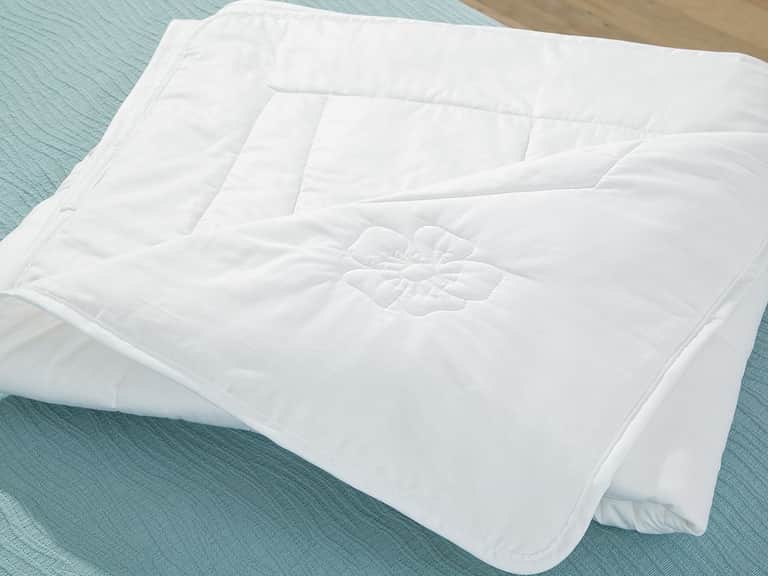
In coastal bedrooms, a lightweight comforter can be a practical focal point. The Downtown Company Summer Linen Comforter exemplifies the marriage of breathability and warmth, with a cotton-linen fill beneath a soft cotton sateen cover finished in Aloe Vera. It is designed to feel cool when the nights are warm, and to provide a gentle insulation when breezes drift across the shore. The featured item below—though described here in editorial terms—demonstrates how textiles translate into daily comfort for sea-side living.
Product Spotlight
Downtown Company Summer Linen Comforter
A breathable cotton-linen fill anchors a cool, dry sleep surface with a smooth cotton sateen cover.
Available in Twin, Queen, and King sizes
Care: Dry cleaning recommended; designed for year-round use in warm climates.
Closing Thoughts: A Coastal Bedding Ethos
Choosing linen sheets for coastal homes is less about chasing a single trend and more about embracing a way of living. It’s about texture as memory—the way a sheet catches the sun and holds the memory of a sea breeze. It’s about choosing fabrics that perform in harmony with the environment and people who inhabit the beach house. The ultimate aim is a sleep surface that feels perpetually fresh, inviting, and appropriate for both everyday living and the occasional guest who arrives with a carry-on full of stories from the shore.
Enjoy cool, dry nights with breathable cotton-linen fill that wicks moisture and regulates temperature, plus a silky-smooth cotton sateen cover with Aloe Vera finish for all-night softness and year-round comfort.
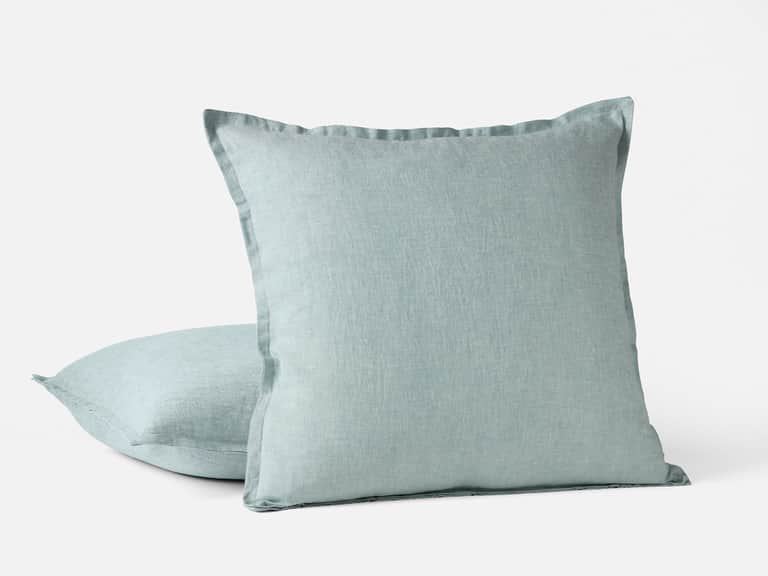
Sleep cooler and softer with 100% organic linen from European flax, woven in Portugal. Relaxed washed hand, machine washable, pairs beautifully with Coyuchi bedding for a cohesive, breathable, low-maintenance look. Insert sold separately.
Enjoy a soft, breathable night with our linen striped pillow sham—cool to the touch, timeless in look. Easy care: machine wash, line dry or tumble dry, iron while damp for crisp, effortless results. Sleep in natural comfort.