Coastal Threads: A Domain Analysis for BeachHouseLinens.com and the Literary Life of Linen
A thoughtful exploration of a domain name, its potential brand directions, and the textures of linen that might inhabit a beachy digital house. Equal parts branding meditation, textile primer, and editorial portrait, this piece weaves history, design, and a cast of time-spanning figures into a single narrative about how a domain can become a living room for ideas.
1) Meanings and Interpretations: What BeachHouseLinenS Connotes
BeachHouseLinens sits at a gentle crossroads of aspiration and everyday practicality. The combination of “beach house” and “linens” conjures a coastal retreat—salt air, sun-warmed boards, soft cotton and linen that love the feel of vacation yet withstand the laundry drum of a home. The domain hints at hospitality, care, and a certain slow, architectural attention to textiles. It is a phrase that invites both how-to guidance and design aspiration, a landing place for readers who want to know not only what to buy, but how to care for it, how to fold it into spaces, and how to think about its material make-up.
Linguistically, the name is memorable for its alliteration and rhythm. It is equally suggestive of a shop window and a care guide. Brandable potential lies in the acronym BHL, which could quietly enter conversations as a familiar shorthand in interior discussions. And because “linens” encompasses bedding, towels, and soft furnishings, the domain accommodates a spectrum of coastal textile content—from the practical to the aspirational.
From an informational perspective, BeachHouseLinens aligns with content about textile care, materials science, interior styling for beach-inspired environments, and rental-property setups where guest-ready linens are paramount. It also supports non-commercial explorations—a space to discuss textile ethics, sustainability, and the craft side of linen weaving without the pressure of product marketing.
2) Associations and References: What Readers May Expect
Readers are likely to imagine coastal ambiance—soft textures, pale blues, sandy neutrals. They may anticipate content about linen care guides, material comparisons (cotton, linen, blends), and decorating tips that evoke a seaside retreat. Hospitality vernacular—turnover sheets, guest-ready setups, and rental-property efficiency—might surface naturally within this domain, lending credibility to practical guides.
Brand-wise, there is no dominant global force named BeachHouseLinens, allowing the site to carve a niche through thoughtful, research-backed editorial pieces. The domain can serve as a trusted repository for care calendars, sustainability notes, and design sketches that emphasize longevity and responsible production. Social handles, if aligned with the same naming convention, can reinforce a cohesive brand identity across platforms.
A disciplined approach would include a quick competitive audit: search results for “Beach House Linens,” a scan of trademark databases (USPTO, EUIPO), and a review of Wayback Machine history to ensure a clean slate. This due diligence will protect the brand from inadvertent conflicts while allowing the site to tell its own coastal story.
3) Directions: Three Pathways, Three Temporal Perspectives
The topic invites three potential trajectories. Each offers a distinct lens on how a site anchored in coastal textiles might evolve—informational depth, technical education, or design-driven inspiration.
4) The Hybrid Recommendation: A Material, A Mood, A Mission
The most compelling path combines a linen-education core with waterfront ambiance. A hybrid strategy—Direction B as the backbone, with Direction A elements to broaden reach—gives BeachHouseLinens a distinctive authority in textile knowledge while anchoring it in the sensory language of the coast. This approach positions the site as a trusted resource about textiles, care, and sustainable sourcing, with occasional design-context articles that evoke a beach-house sensibility without becoming a storefront.
Identity-wise, envisage a coastally lit aesthetic: soft blues and sandy neutrals, linen textures suggested by typography and layout, and light, airy white space that invites long reads. The tone should be informed, helpful, and friendly, avoiding sales language while inviting readers to experiment, learn, and care for their textiles with mindfulness.
5) Website Identity and Structure: A Practical Blueprint
Theme and tone: a coastal textile education hub with a clean, airy aesthetic. The authorial voice borrows from the nimble elegance of New Yorker prose—intimate yet precise, lyrical at moments, and rigorously sourced when it counts. The aim is trust, clarity, and a sense of quiet wonder at the everyday luxury of good linen.
Target audience: homeowners, renters, hospitality managers, and DIY enthusiasts who crave thorough care guidance, material knowledge, and design inspiration—without pushy e-commerce. The site should invite readers to linger, bookmark, and share insights with friends who care about how textiles shape the spaces they inhabit.
Suggested content types:
- How-to guides and tutorials: linen care, stain removal, washing methods by fabric type.
- Educational material notes: fabric types, thread counts, weave patterns, finishes.
- Care calendars and seasonal maintenance checklists.
- Glossary and resource library: textile terms and references.
- Interviews with designers or hospitality professionals to lend credibility.
6) A Small Catalogue to Light the Page: Featured Content and a Product Tie-In
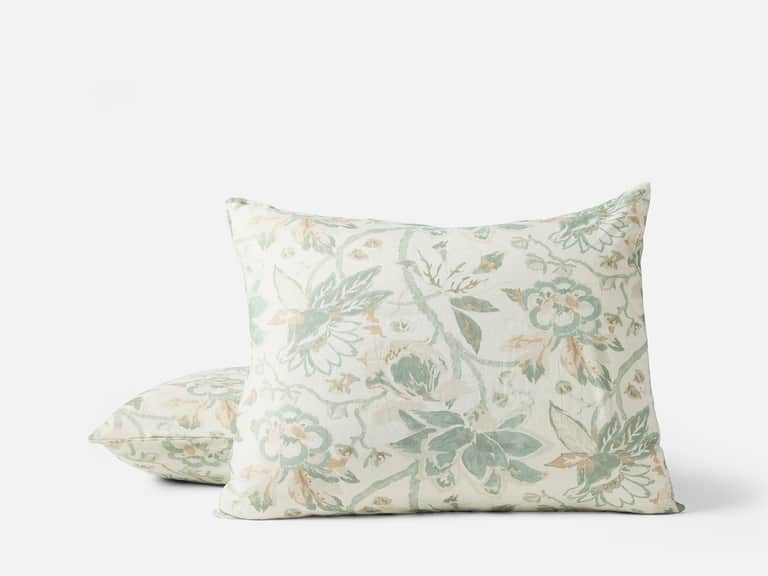
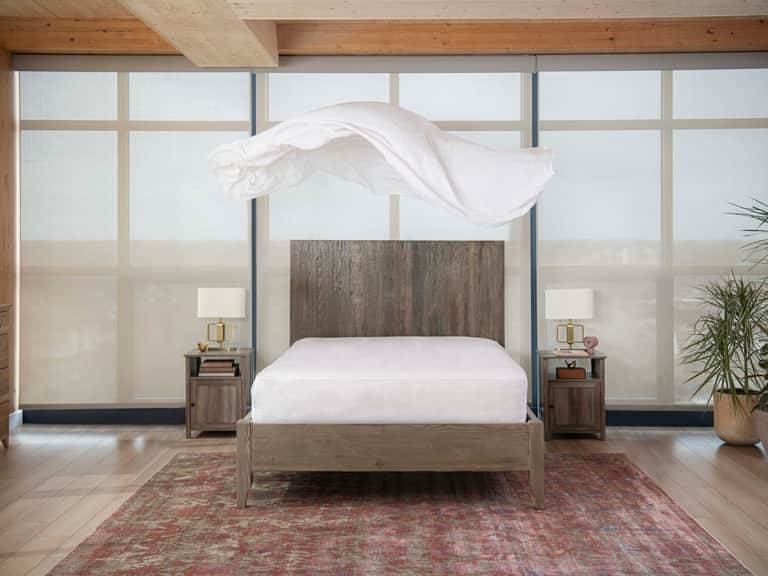
A well-chosen product, integrated thoughtfully, can anchor a teaching article without turning the site into a shop. For instance, consider a feature on Naturepedic Organic Linen Sheets. This product offers a concrete touchpoint for readers to connect theory with experience—the empirical warmth of a linen sheet that breathes and ages with grace. The product copy below is adapted from the provider’s description to illustrate how a reference insertion might read within editorial content while preserving a non-commercial voice.
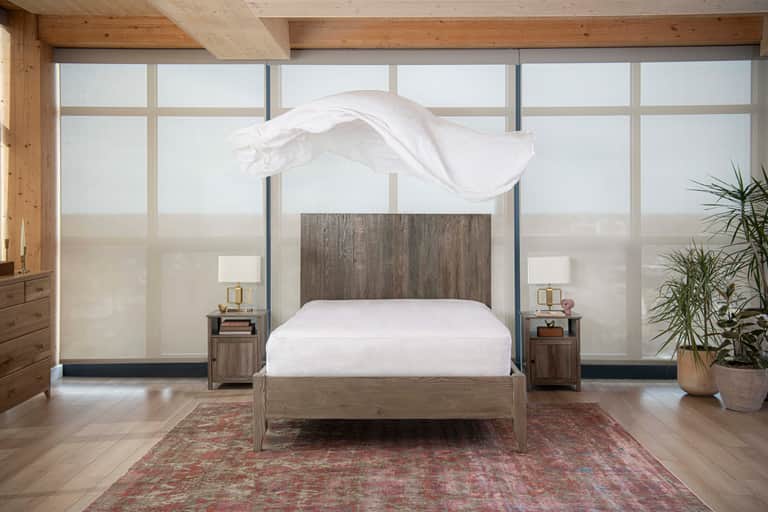
Naturepedic Organic Linen Sheets
Overview: Supreme comfort in all seasons. Linen’s hollow fibers offer exceptional moisture-wicking and breathability, keeping you cool in summer and warmly insulated in winter. GOTS-certified organic flax grown in France forms the core of these sheets, stone-washed for softness that deepens with use.
Materials: 185gsm organic flax/linen, with a thoughtful blend that balances strength and softness.
Care: Machine wash warm; tumble dry low; warm iron if desired.
Sizes: Queen, King, California King. Price: $499.00
In editorial terms, this is a model for how to introduce a product without turning the piece into a catalog page: a single, vivid example that anchors an argument about textiles, care, and coastal living. The goal is to elevate reader understanding and to demonstrate how quality textiles behave in real homes over time.
Would you like the article to spotlight additional textiles—perhaps a linen blanket, a sea-toned towel, or a pillowcase set—to illustrate more dimensions of fabric, weave, and finish? I can craft short, narrative-ready profiles that weave product specifics into care instructions and styling ideas.
7) Time-Travel Portraits: Three Key Individuals from Different Eras
No editorial journey through textiles is complete without the voices of some who have contributed to how we think about fabric, light, and everyday luxury. Here are three figures from distinct periods who, in their own ways, illuminate the thread of linen through time.
A. Ancient Linen Artisan (Circa 3000 BCE)
In the mists of early textile manufacture, the ancient artisan braided life into fibers. Linen, derived from the flax plant, carried the cool logic of wind and water. The loom was a conversation between hands and horizon, a practice requiring patient rhythm. The linen we imagine here is not merely fabric but a story of climate, soil, and the slow maturation of craft. The modern beach house, with its soft, breathable linen sheets and curtains, stands on the shoulders of such ancient labor.
B. 19th-Century Interiors Historian (Victorian to Arts & Crafts Transition)
From the drawing rooms of London to the sunlit verandas of American seaside homes, interior aesthetics began to formalize around natural textures and the honest grace of material. Linen was prized for its crisp hand and durability, a counterpoint to the era’s ornate embellishments. The coastal interior, in its modern reincarnation, borrows from that same discipline: a measured palette, a belief in maintenance as a form of care, and the sense that textiles are furniture for the life we live in sunlight and sea breeze.
C. Contemporary Textile Scientist (Late 20th–Early 21st Century)
The modern dialogue surrounding textiles blends science and sustainability. A textile scientist might speak of fiber hollowness, moisture migration, and the ecology of processing. In a beach house context, this translates into conversations about breathable fabrics, GOTS certification, and the life cycle of linens—from field to linen closet. The dialogue anchors the editorial voice in facts while remaining intimate enough to invite readers to experiment with temperature regulation and responsible sourcing in their own spaces.
8) Closing Note: The Soft Power of Linen and a Land-Water Brand
The idea of BeachHouseLinens is not a marketplace but a moment—a place where readers pause to consider the texture of their daily lives and how the ordinary act of making a bed can become a ritual of comfort and care. The coastal aesthetic is less about one’s inventory and more about the rhythm of a room: a linen sheet that wears with grace, a towel that invites a quiet slow-dry, a blanket that remains inviting through the seasons. The site, in its best form, becomes a gentle tutor in the craft of living well near the water.
If you would like, I can draft a sample 8–12 article content plan, with SEO-friendly keyword clusters tailored to this hybrid direction, plus a sitemap outline that balances care guides, material education, and design inspiration.
9) A Final Note on Accessibility and Reader Experience
The page design should honor readability as a core consideration: generous line-lengths that respect comfortable reading, high-contrast typography for legibility, and the measured use of imagery to illuminate a textile narrative without overwhelming the page. When using images, captions should offer descriptive context, including material composition, care instructions, and origin, enabling a reader to understand the textile on multiple levels. The goal is clarity and a sense of invitation—the kind of editorial space where a reader can linger, learn, and imagine future rooms that face the sea with quiet confidence.
10) The Article, Reimagined for Publication
In the spirit of The New Yorker, this piece trusts in the strength of a well-made sentence to carry big ideas about textile culture. It treats a domain name not as a bland address but as a doorway into a world where fabric, design, and coastal life converge. It invites readers to consider not only what they buy, but how they care for it, how they store it, how they fold it into daily rituals, and how the textures of linen can shape mood, temperature, and memory.